
July 19, 2026





Drupal powers 80% of the world's top 100 universities, including Harvard, MIT, Oxford, Stanford, Yale, Princeton, and Duke. Universities choose Drupal for four reasons: enterprise-grade security with FERPA-compatible access controls, true multisite architecture (a single codebase running hundreds of department sites), WCAG 2.2 AA accessibility required under ADA Title II, and 110+ language support for global student communities. Most top universities run Drupal through named platforms like Stanford Sites, Yale Sites, Harvard Sites, and Duke SitesPro.
80% of the world's best 100 universities rely on Drupal, and here is why:
Dedicated security team with years of patches and updates. Trusted by governments and banks.
Run hundreds of department sites from one installation while maintaining brand consistency.
Open-source with 50,000+ free modules no enterprise licensing fees.
110+ languages built-in for global student and faculty communities.
WCAG compliance out of the box, not bolted on later.
Connects seamlessly with SIS, LMS, CRMs, and social platforms.
A Drupal higher education multisite is a single Drupal installation that powers dozens to hundreds of individual department, school, or program websites from one shared codebase. Each site keeps its own branding, content, and editorial team, while security patches, accessibility improvements, and platform upgrades roll out across the entire university web ecosystem in a single deployment.
Stanford Sites, Yale Sites, Harvard Sites, and Duke SitesPro all use this model. The same architecture is used by the University of California system, Penn State, and the University of British Columbia.
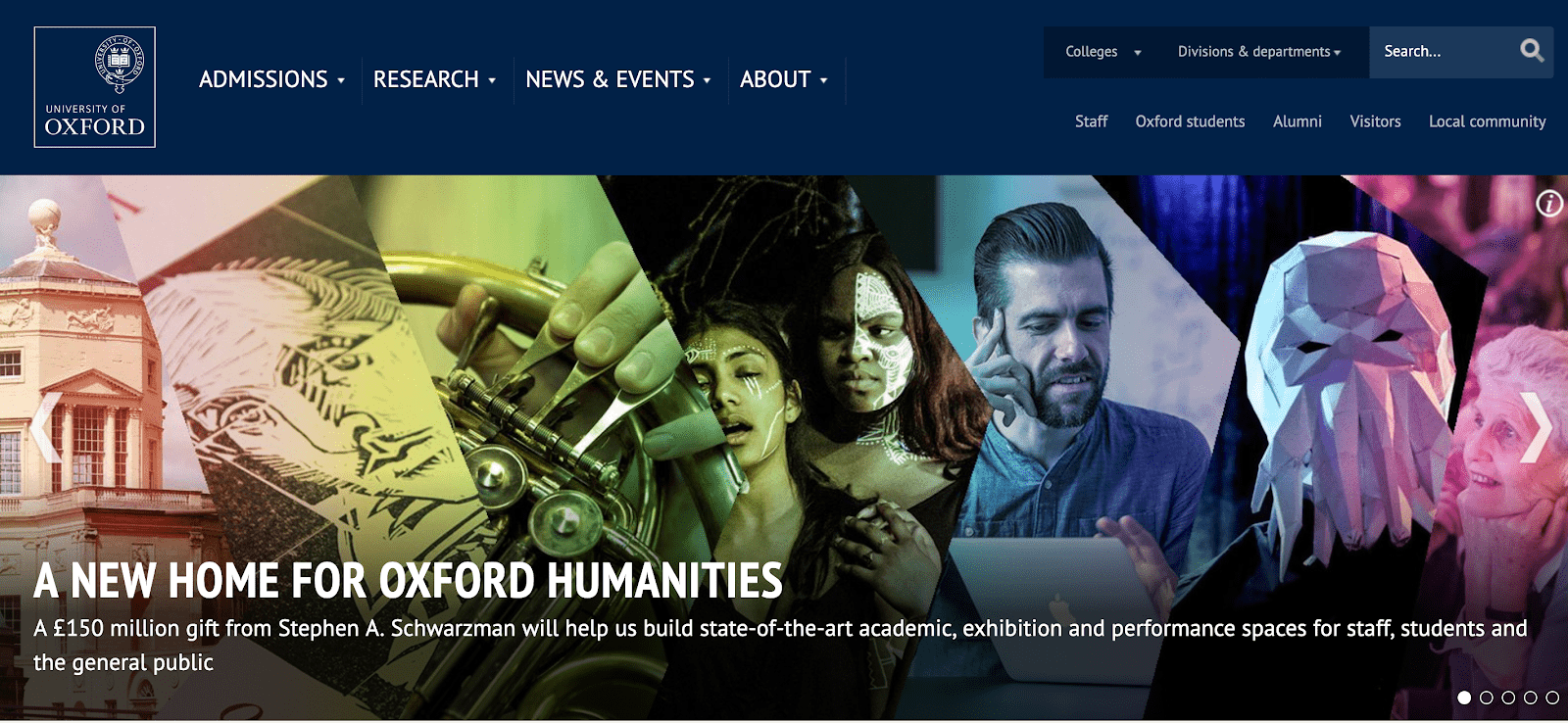
In a fast-paced environment where broad functionality is key, Oxford University’s website is a testament to Drupal’s ability to host multiple sites and tasks while letting each department have control of its web presence.
From information on admissions and university research to current news & events, the Oxford University website is a one-stop platform where faculty, students, and alumni alike can stay in the loop when it comes to life both on and off campus.
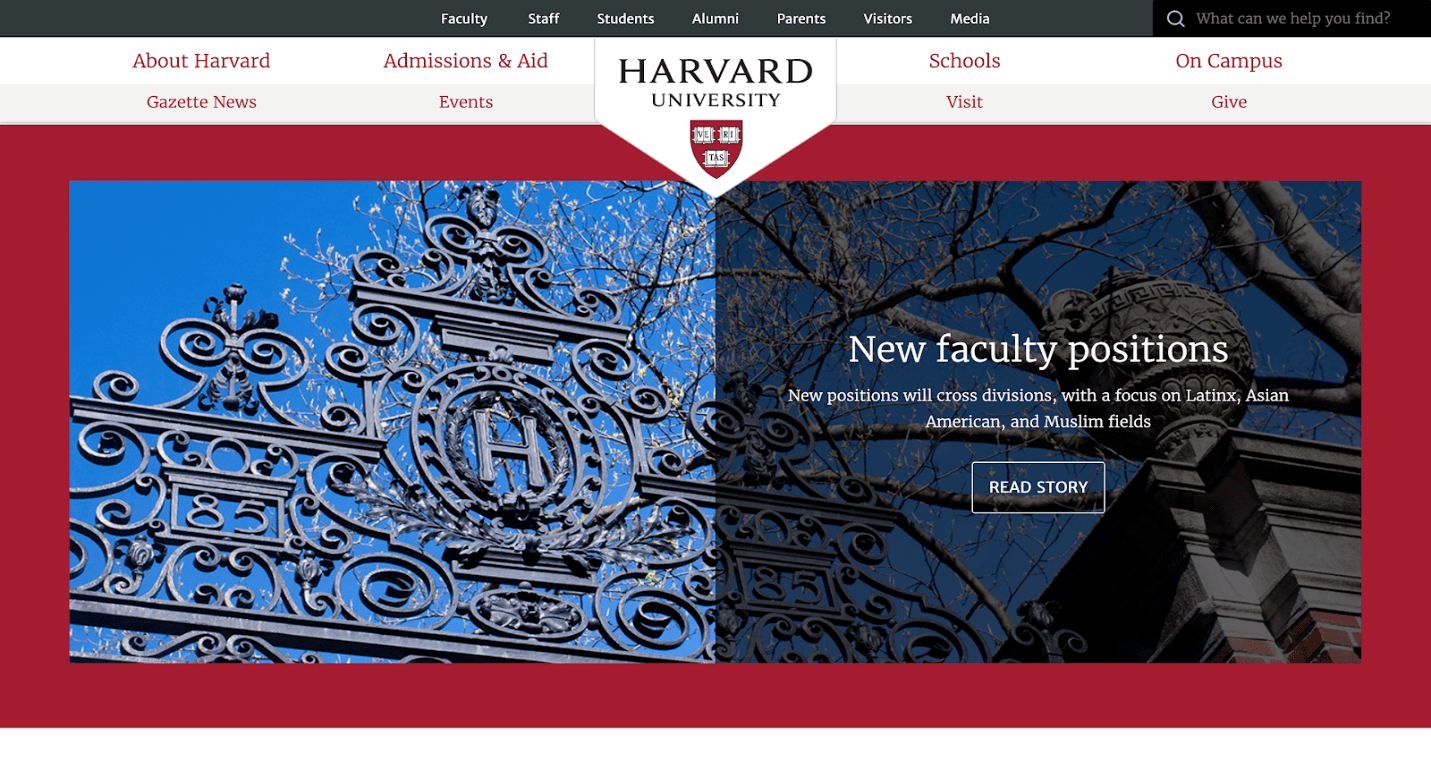
The words ‘Ivy League’ call to mind a certain sense of prestige and tradition. Harvard University’s website brings these features to life with a distinct look and feel that communicates the Harvard brand to visitors right from the homepage.
Drupal’s friendly user interface enables Harvard administrators to design pages, host media, and post content in a way that allows branding consistency across the entire site.
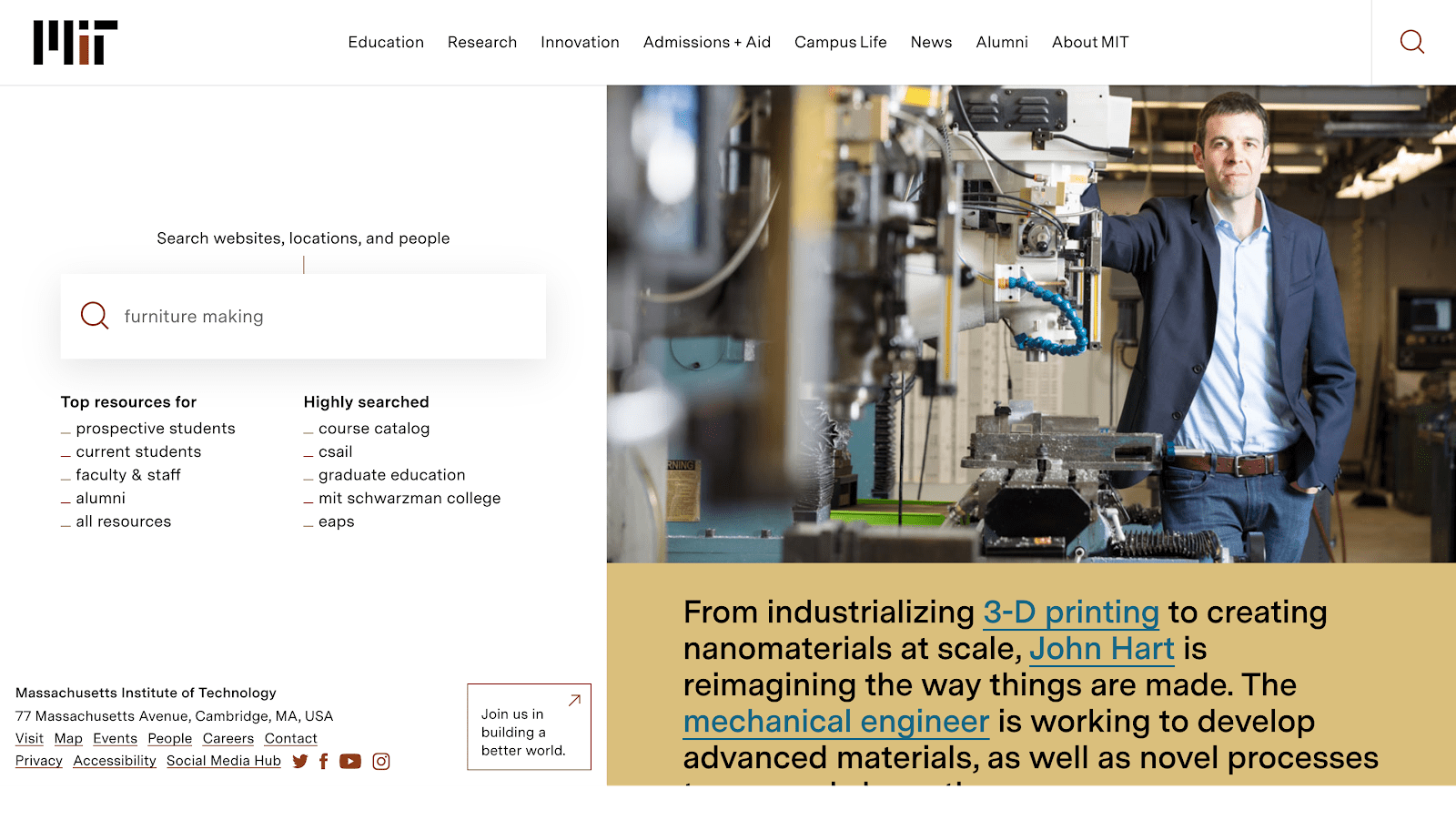
Best known for its programs in engineering and the hard sciences, the Massachusetts Institute of Technology maintains a competitive culture, encouraging its undergraduates to pursue their original research.
Like all sites built on Drupal, The MIT website is strikingly well-equipped for site protection and data privacy. Institutions like MIT, which work hard to preserve the safety of their student and faculty records, trust the Drupal CMS for eliminating the risk of breaches. Many corporations, non-government organizations, and state agencies choose Drupal for its strong safety and security capabilities.
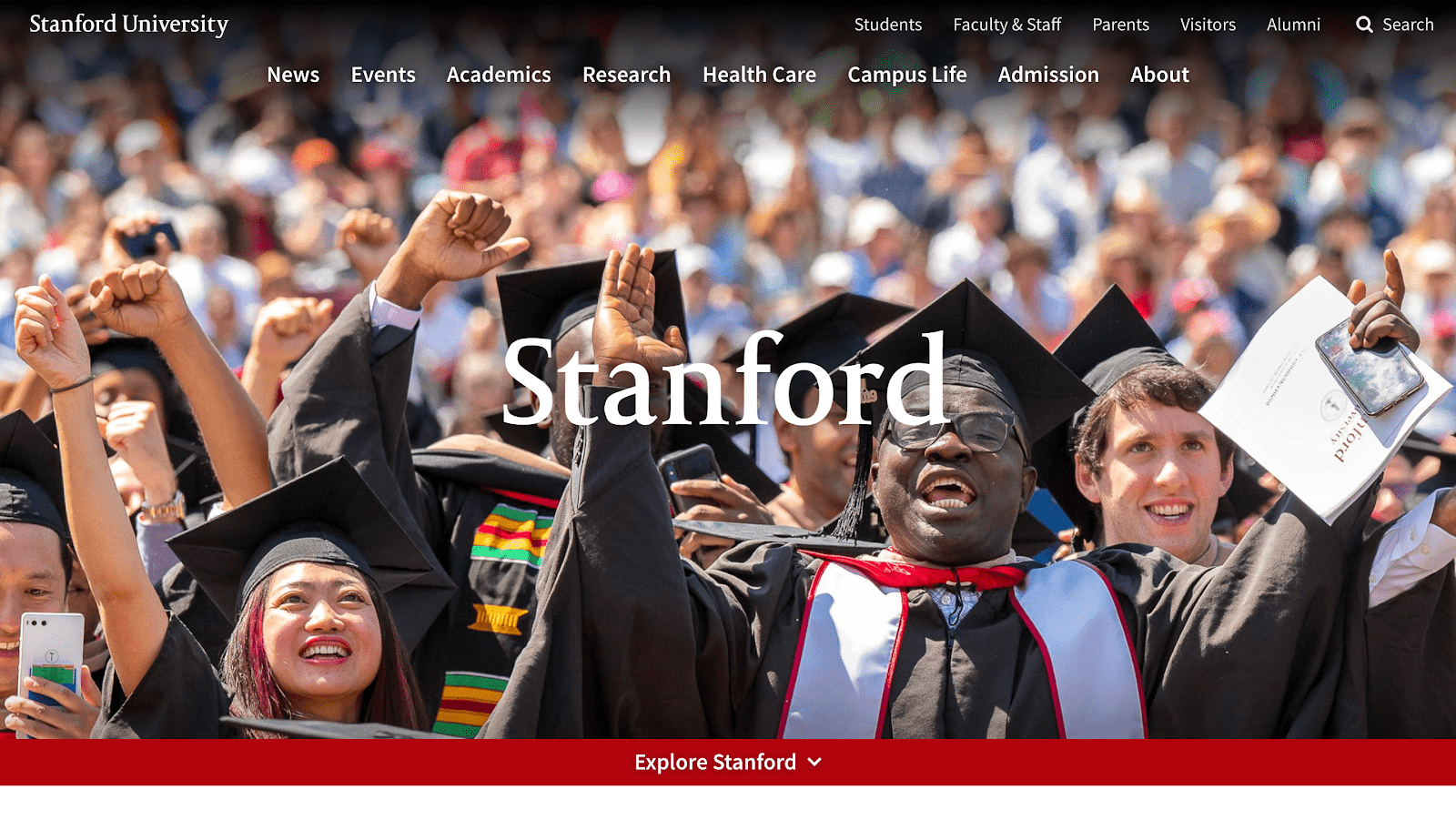
Higher education websites tend to require different access privileges for a wide range of contributors, and Stanford University’s website demonstrates Drupal’s ability to provide ease of management and sharing content across various portals and sites. The Stanford website features a significant amount of content from its many offices and departments.
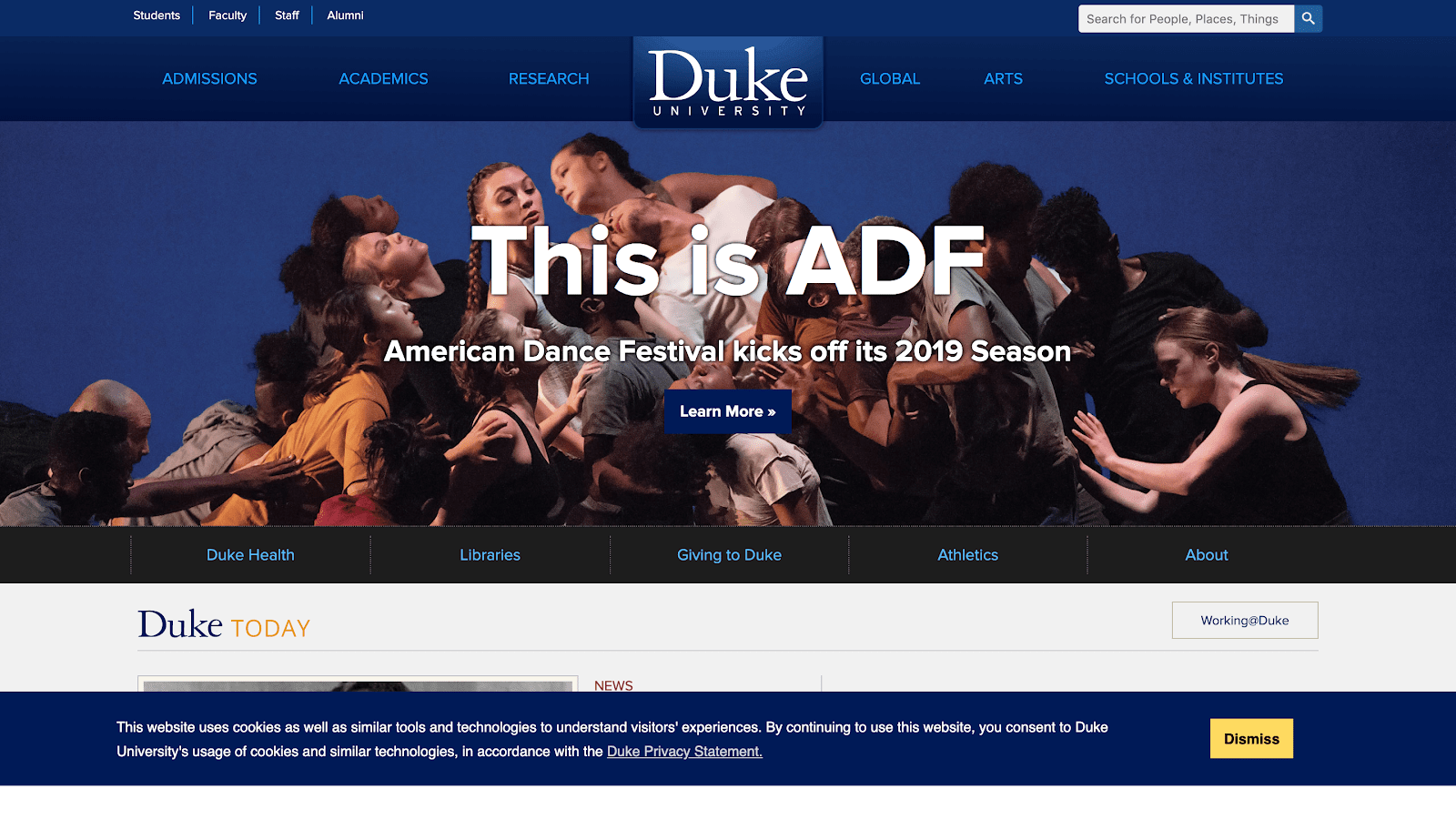
Duke University takes pride in being a global institute of learning that houses perspectives from all over the world. The university ensures that this core belief translates into its online presence by building its website with Drupal, a CMS known for catering to a multilingual demographic.
Since Drupal operates in more than 110 languages, the platform provides an outstanding translation module that enables higher education institutions such as Duke University to cater to the global needs of their students and faculty.
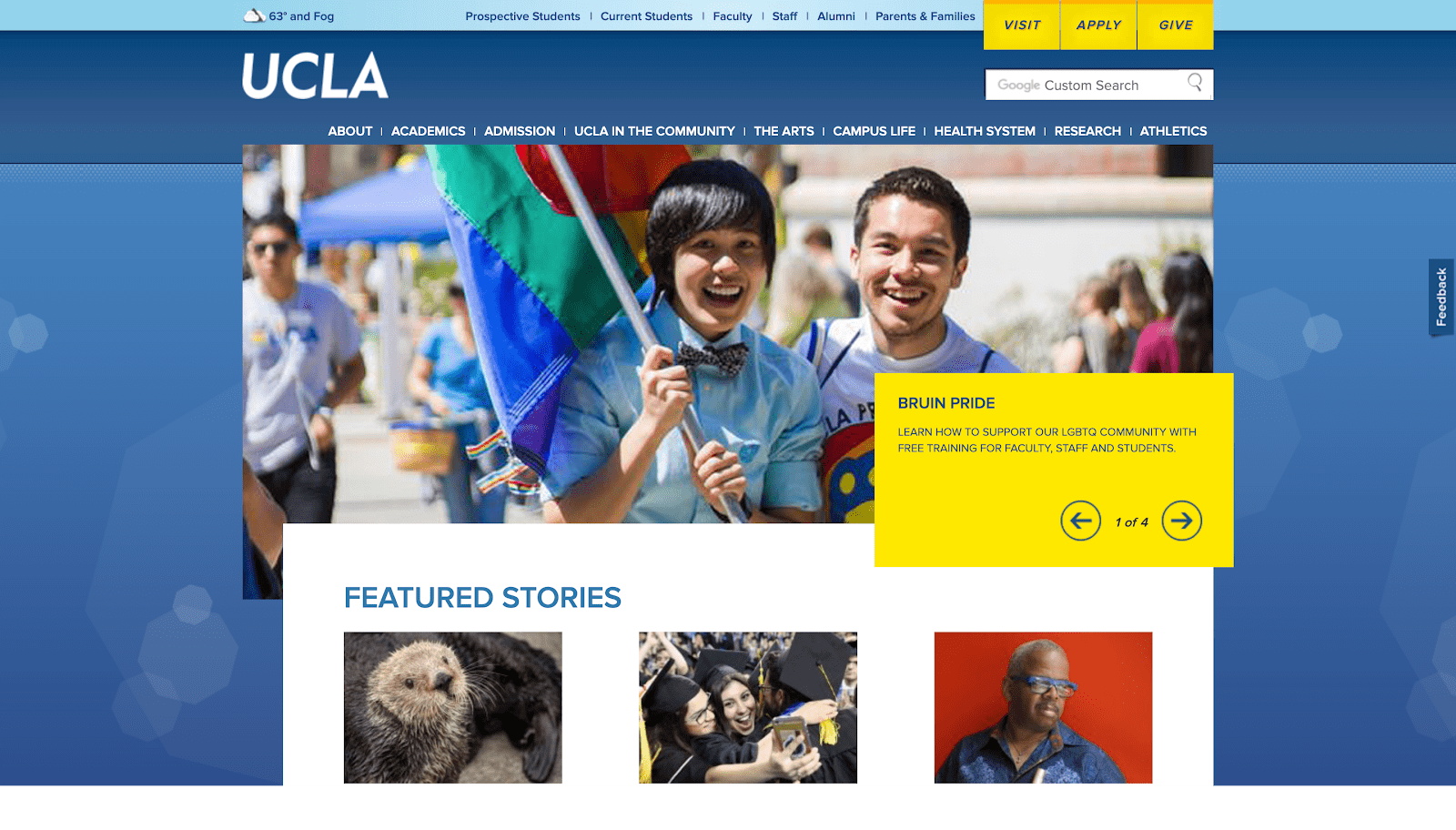
UCLA is known for advancing knowledge and addressing social needs by fostering an environment full of diverse perspectives. The university extends the pursuit of these goals to its website, which houses rich content that’s accessible to all.
The UCLA website demonstrates how Drupal makes reusing and circulation of content quick and easy. After the creation of a particular bit of content, website users can circulate it effortlessly through departments, intranets, and subsites.
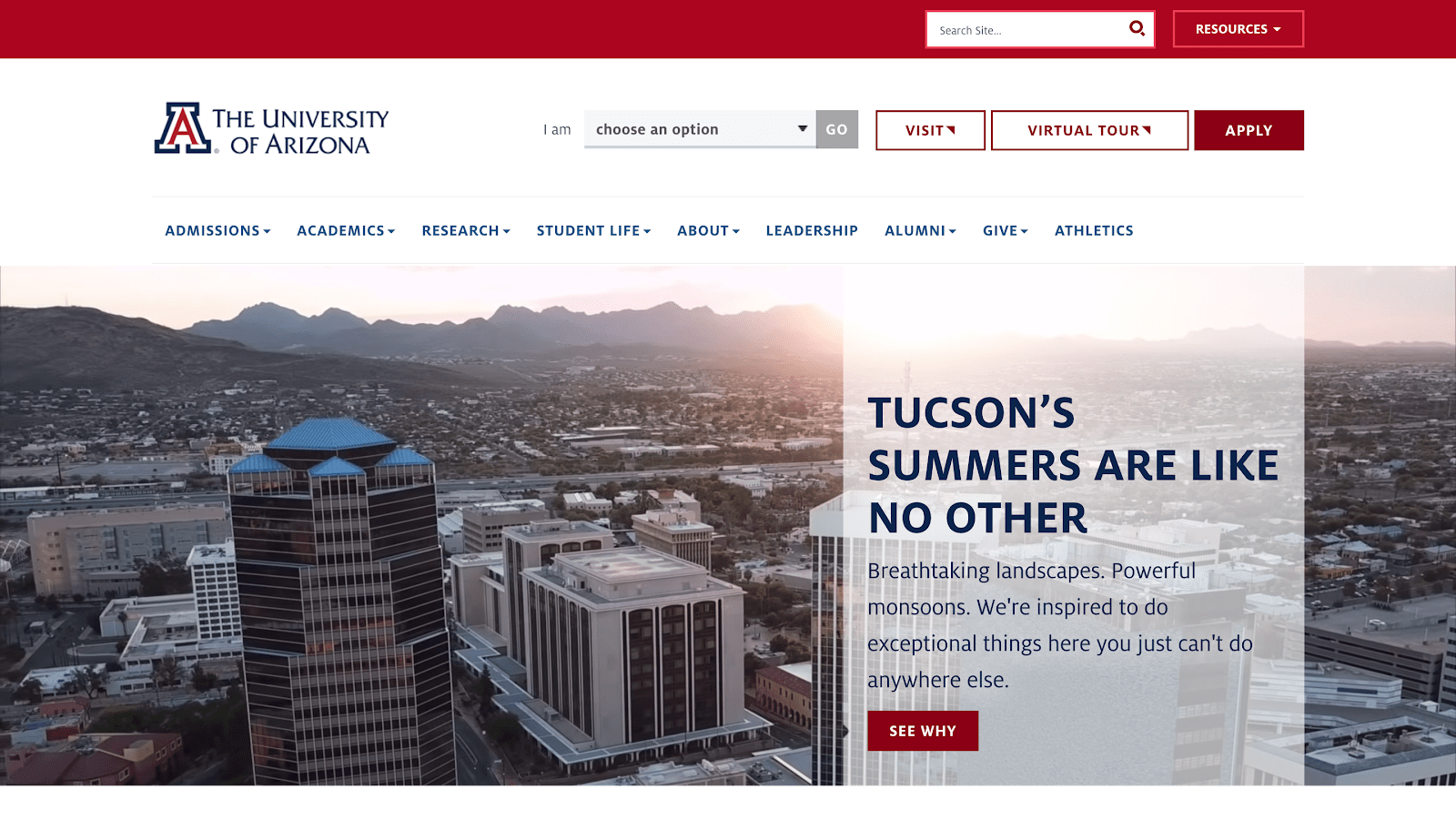
Drupal allows for powerful collaboration that supports both educational and research departments. As the University of Arizona prides itself on being a global and student-centered university, its website enables its faculty and students to access manuals, procedural forms, and research updates with no fuss or frills.
The University of Arizona’s website remains to be one of its key tools in the pursuit of its goal of community-wide collaboration to help solve the critical challenges we face today.
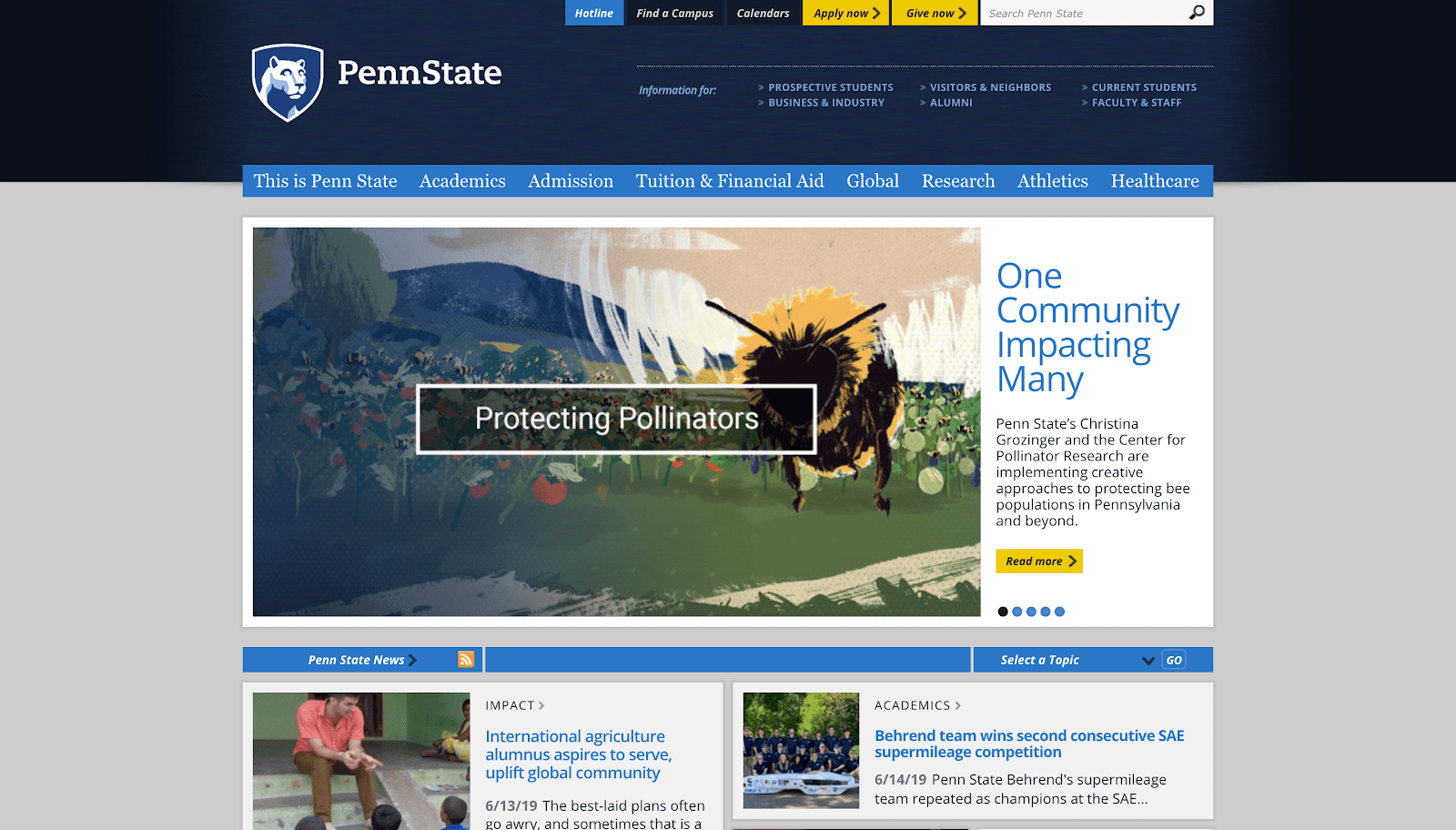
A major public university that serves Pennsylvania and the global community, Penn State aims to make its online presence widely accessible. Built with Drupal, the Penn State website allows for responsive mobile access. In an always-on, mobile-first environment, the Penn State website paves way for great and functional communication that translates across all kinds of mobile devices.
With the university’s purpose of pursuing excellence in research to foster global citizenship, the University of British Columbia continuously works for the advancement of a sustainable and just society across the globe.
One of their most crucial tools in this regard is a website that hosts rich content on their core institutional objectives and accomplishments. Drupal allows the UBC website to access a wide range of people across different communities by enabling seamless integration from their website to different social media platforms.
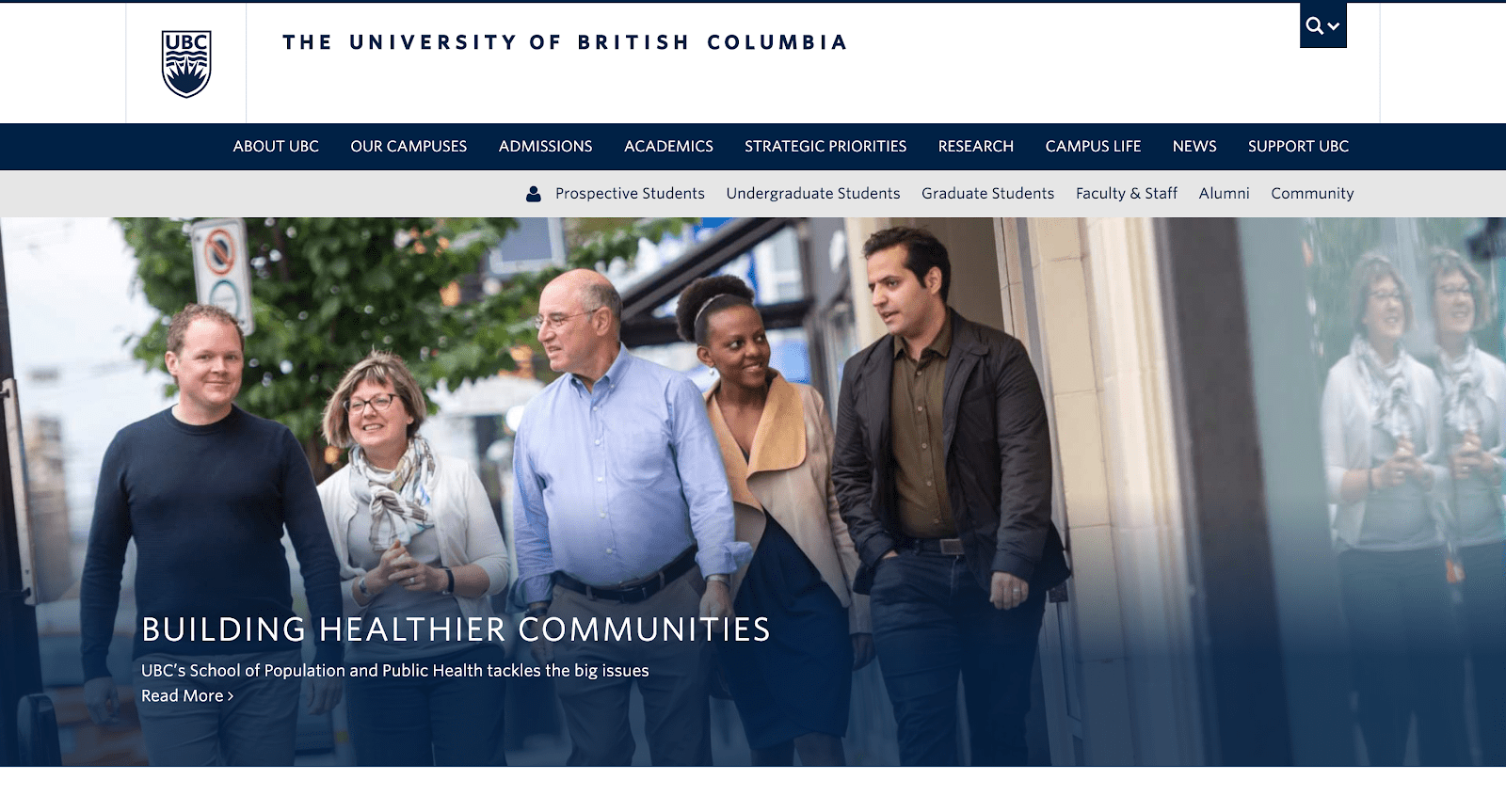
In the same way that Drupal allows non-experts to easily create and manage amazing websites, the platform also enables the creation of websites with sophisticated and user-friendly journeys.
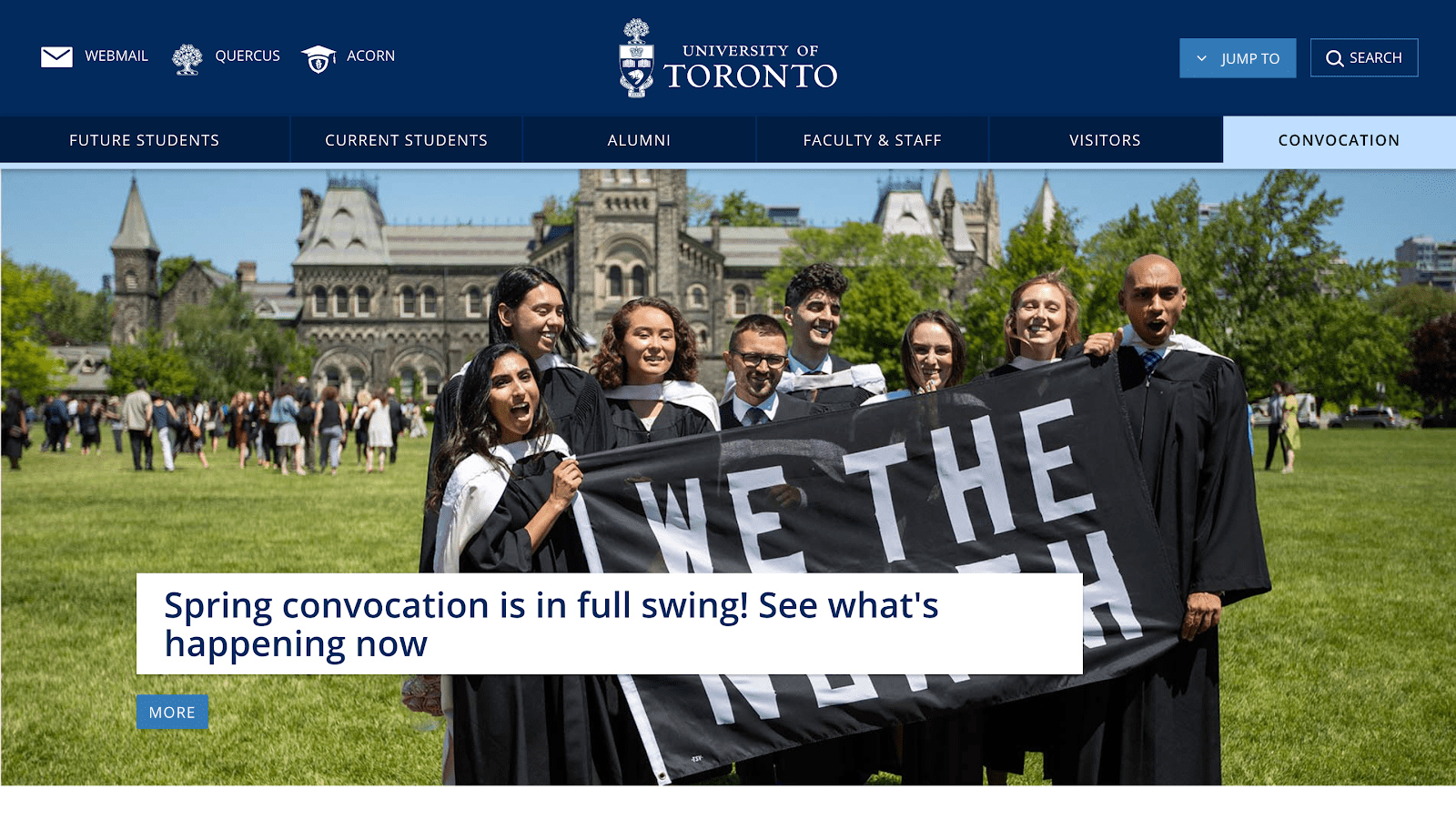
The University of Toronto’s website demonstrates Drupal’s ability to allow for a platform that’s deceptively easy to navigate and browse through. For institutes of higher education, this feature matters greatly as users ought to have an easy time accessing the information on a university’s website.
Drupal CMS 2.0, released in January 2026, introduced changes that matter directly to higher education teams. Drupal Canvas (the new visual page builder, formerly Experience Builder) lets department editors assemble pages from a shared component library without developer involvement, which addresses one of the longest-standing pain points in university web teams. AI-assisted content workflows in Drupal CMS allow editors to generate accessible, structured content from prompts. The Gin admin theme replaced Claro as the default admin interface in Drupal 11.3, simplifying editorial training across large multisite universities.
Public universities in the United States are now required to comply with WCAG 2.1 AA under the April 2024 update to ADA Title II. Compliance deadlines fell in April 2026 for institutions serving fewer than 50,000 people and April 2027 for those serving more than 50,000. European institutions face parallel obligations under the European Accessibility Act, which took effect in June 2025.
Drupal's accessibility posture is built in, not bolted on. WCAG 2.2 AA conformance is part of the core admin experience, alongside ARIA support, keyboard navigation, and accessible form patterns. For universities, this means accessibility compliance is a platform property, not a per-site project.
Drupal also supports FERPA-compatible workflows through role-based access controls, audit logs, and granular permissions on student data. Combined with multisite governance, this lets a single university enforce one accessibility and privacy standard across every department site without renegotiating it per team.
University web teams typically evaluate Drupal against WordPress (for smaller programs or blog-style sites) and Sitecore (for institutions standardized on the Microsoft stack). Here is how the three compare on the criteria that matter most in higher education.
| Capability | Drupal | WordPress | Sitecore |
|---|---|---|---|
| Multisite from one codebase | Native (core) | Native (core, since 3.0) | Native |
| Accessibility conformance target | WCAG 2.1 AA in core, 2.2 in progress | WCAG 2.1 AA depends on theme and plugins | WCAG 2.1 AA depends on implementation |
| Granular role-based access controls (supports FERPA workflows) | Built-in, highly granular | Built-in, less granular by default | Built-in, highly granular |
| Multilingual content management | Native (100+ languages) | Plugin-required (WPML, Polylang) | Native (all .NET languages, custom languages supported) |
| Licensing | Open source, free | Open source, free | Commercial license |
| Share of top 100 universities (primary site) | ~80% | Limited as primary site, common for departmental sites | Limited |
| Typical higher-ed use case | Multi-department institutional websites | Program sites, blogs, microsites | Institutions on the Microsoft stack |
Most university CMS evaluations get stuck on feature comparisons. The decision rarely comes down to features. It comes down to governance: who can edit what, how brand consistency is enforced across 200 department sites, and how the platform handles accessibility and privacy compliance without bottlenecking every team through a central IT queue.
Drupal wins in higher education not because it has more features, but because its multisite architecture and permission model are built for exactly this governance problem. Universities that switch to Drupal from a single-site CMS usually do so after the third or fourth time a department has gone rogue with an unsanctioned WordPress instance. The platform decision is really a governance decision in disguise.
Drupal continually demonstrates high levels of functionality, security, scalability, and flexibility in every way, and it’s no surprise, then, that Drupal is considered the foremost platform for developing higher education websites.
Universities looking to use Drupal to jump-start their digital presence or revamp an existing website should consult with experts for a comprehensive assessment of where to begin. The platform is intuitive, but expert guidance can go a long way when making a digital transformation.
Scalability for millions of pages, enterprise security, multisite management for departments, accessibility compliance, and multilingual support.
Dedicated security team, regular updates, FERPA compliance support, student data protection, and role-based access controls.
Yes, Drupal excels at managing massive content volumes, media libraries, research archives, and document repositories at scale.
80% of the world's top 100 universities and 95% of top American universities use Drupal.
Yes. Drupal ships with WCAG 2.2 AA conformance in its core admin and default themes, which satisfies the WCAG 2.1 AA requirement set by the April 2024 ADA Title II rule for US public universities. Compliance still depends on how custom themes and third-party modules are implemented.
Drupal supports FERPA-compatible workflows through role-based access controls, audit logs, and field-level permissions on student data. FERPA compliance ultimately depends on the institution's hosting, data handling, and policies, but Drupal provides the technical foundation expected for student-record-adjacent content.

